The Bund: Shanghai’s Riverside Gem Worth Exploring?
Problem: Planning a trip to Shanghai can be overwhelming, especially when deciding what to see. Agitate: Are you wondering if the Bund lives up to its hype? Solution: I will show you why it is a must-see.
The Bund is Shanghai's iconic waterfront area, famous for its grand historical buildings and stunning views of the modern Pudong skyline. It offers a unique blend of colonial architecture and futuristic skyscrapers, making it a pivotal spot for understanding Shanghai's past and present.
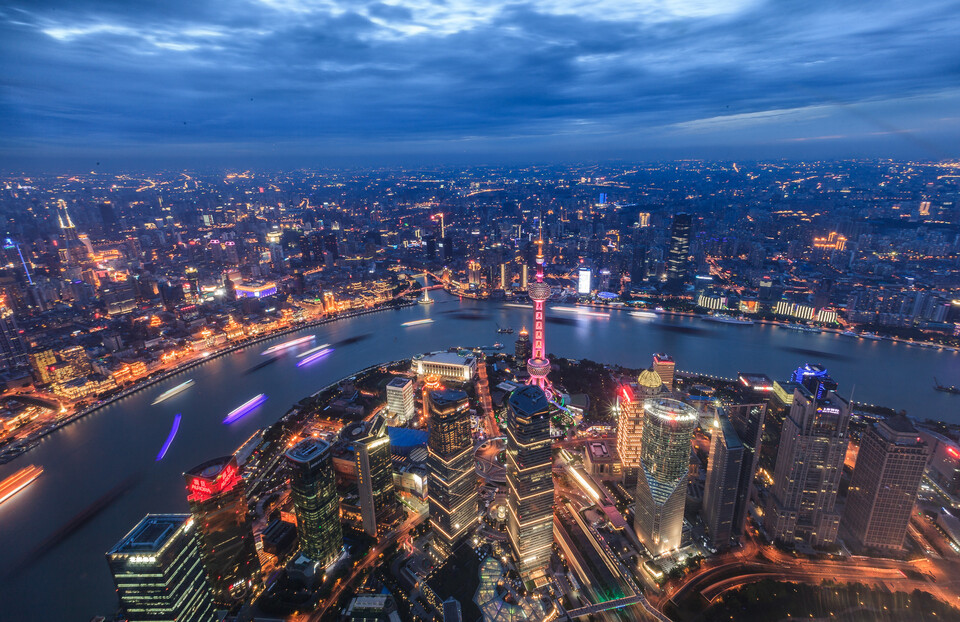
As a local Shanghainese, I have seen the Bund countless times, in every season and at different times of day. Each visit reveals something new, a detail I missed before, or a different play of light on the buildings. It is a place that truly captures the spirit of Shanghai.
Why is the Bund in Shanghai so famous?
Problem: Many people ask me why the Bund is so iconic. Agitate: They might think it is just another riverwalk. Solution: It became famous because it tells the story of Shanghai's rapid growth and its vital role in global trade.
The Bund is famous because it served as the financial and commercial heart of Shanghai in the late 19th and early 20th centuries. Its unique architectural style, known as "a museum of international architecture," showcases a range of Western building designs, symbolizing Shanghai's golden era as a major international port city.
The Bund’s fame comes from its deep historical roots and its visual contrast with modern Pudong. It stands as a living museum, showing how Shanghai transformed over time. When I walk along the Bund, I can almost hear the echoes of the past, the bustling trade, and the many stories from different eras. It shows Shanghai’s remarkable journey.
How did the Bund become Shanghai's historical landmark?
The Bund's journey to becoming a landmark started in the mid-19th century. After the Opium Wars, Shanghai became a treaty port. This meant foreign powers could set up trading posts. The Bund became a key area for these foreign businesses. They built banks, consulates, and trading houses. These buildings were grand and showed off their wealth and power. This architectural style is a mix of Gothic, Romanesque, Baroque, and Neoclassical designs.
The table below shows some notable buildings along the Bund and their original functions:
| Building Name | Address | Original Function | Architectural Style |
|---|---|---|---|
| HSBC Building | No. 12 The Bund | Hong Kong and Shanghai Banking Corporation | Neoclassical |
| Customs House | No. 13 The Bund | Customs Administration | Neoclassical |
| Peace Hotel (South Building) | No. 19 The Bund | Palace Hotel | Gothic Revival |
| Peace Hotel (North Building) | No. 20 The Bund | Cathay Hotel | Art Deco |
| Bank of China Building | No. 23 The Bund | Bank of China | Chinese Neoclassical |
The Bund was not just about trade. It also became a symbol of Shanghai’s opening to the world. It showed how East and West met and mixed here. This blend of cultures made Shanghai special. The Bund stands as a reminder of this unique history. It has watched over Shanghai's changes for more than a century.
Why is it called Bund?
Problem: People often ask me where the name "Bund" comes from. Agitate: They might think it is a Chinese word. Solution: It is not Chinese, and its origin ties directly to the area's geography.
The term "Bund" comes from the Anglo-Indian word "band," which means an embankment or a quay. This name was given by British settlers in the 19th century. It describes the riverside promenade along the Huangpu River in Shanghai, highlighting its role as a prepared bank for ships and trade.
The name "Bund" tells a story about Shanghai’s past as a center for foreign trade. When British traders arrived, they needed a word for the riverfront area. They used a term from their experience in India. This shows how places and names travel with people. It connects Shanghai to a larger global history.
What is the etymology behind the name "Bund"?
The word "Bund" has a fascinating origin. It is a loanword from Persian. In Persian, "band" means a dam, dyke, or embankment. This word then entered Hindi and other Indic languages. The British picked up this term during their colonial rule in India. They used it to describe waterfront embankments there. When they came to Shanghai, they saw a similar need for a word. The area along the Huangpu River was an embankment. It was where ships docked and goods were loaded and unloaded.
The key points of the word's journey are:
- Persian Origin: "band" (dam, dyke, embankment)
- Indian Adoption: Used in Hindi and other Indic languages by British colonizers.
- British Application: Applied to riverfront promenades in various trading cities, including Shanghai.
So, when you say "The Bund," you are using a word that has traveled across continents and cultures. It links Shanghai not just to European history, but also to Middle Eastern and South Asian linguistic traditions. This broad connection highlights Shanghai's global reach, even in its very name. It reflects how people, goods, and languages moved through this important port city.
Is the Bund worth visiting?
Problem: Visitors often ask me if the Bund is worth their precious time. Agitate: They may worry it is just a tourist trap. Solution: Absolutely, it is one of the most worthwhile places to experience Shanghai’s unique blend of history and modernity.
The Bund is absolutely worth visiting for its unparalleled views of Shanghai's iconic skyline, its impressive collection of historical colonial architecture, and its vibrant atmosphere. It offers a unique sensory experience where history meets the city's futuristic development, making it a must-see for anyone experiencing Shanghai.
From my own experience, no trip to Shanghai is complete without a stroll along the Bund. It is a place that captures the essence of the city in one grand sweep. You can feel the history in the old buildings and marvel at the future across the river. It offers a perfect photo opportunity, showing both sides of Shanghai.
What unique experiences does the Bund offer?
Visiting the Bund provides several unique experiences you cannot find anywhere else in Shanghai. It's not just a walk; it is a journey through time and perspective.
Here are some reasons why the Bund is a unique experience:
- Architectural Diversity: The Bund has over 52 historical buildings. They show different Western architectural styles like Gothic, Romanesque, Baroque, Neoclassical, and Art Deco. Each building tells a story of its past owner or function. This makes it like an outdoor museum.
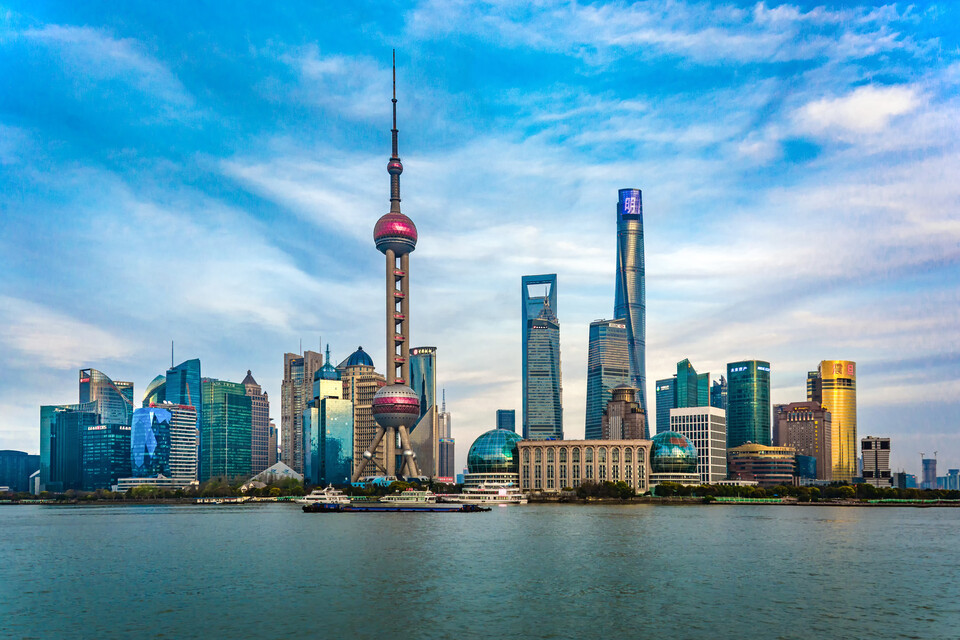
- Skyline Contrast: From the Bund, you get the best view of the Pudong skyline. This is where you see modern skyscrapers like the Oriental Pearl TV Tower, the Jin Mao Tower, and the Shanghai Tower. The contrast between old colonial buildings and new modern towers is stunning. It shows Shanghai’s past and present side by side.
- River Activity: The Huangpu River is always busy. You can watch boats and ferries pass by. At night, the river cruises light up, adding to the spectacle. This river has been Shanghai’s lifeline for centuries.
- Photography Opportunities: The Bund offers countless photo spots. Whether it is the historical buildings at dusk, the sparkling Pudong skyline at night, or the bustling river, every angle is picture-perfect. I always find a new way to capture its beauty.
- Cultural Experience: You can see local people doing tai chi in the morning or couples enjoying a romantic walk in the evening. It is a place where locals and tourists mix. This adds to the authentic Shanghai experience.
These unique elements make the Bund more than just a sightseeing spot. It is a place that engages your senses and tells a rich story of a city always moving forward.
What is special about the Bund?
Problem: People often ask what makes the Bund truly special compared to other waterfronts. Agitate: They might think it is just a nice view. Solution: Its unique blend of historical significance, architectural grandeur, and dynamic modern backdrop sets it apart.
The Bund's special quality lies in its unparalleled fusion of architectural history and futuristic urban development. It is a powerful symbol of Shanghai's rapid transformation, offering a unique visual narrative of the city's past, present, and future, all from one remarkable vantage point.
What makes the Bund special to me is how it tells Shanghai's story so clearly. It has watched over the city's changes, from an international trading hub to a global metropolis. It is a place where you can feel the pulse of history while looking at the future.
How does the Bund reflect Shanghai's modernization?
The Bund is a powerful symbol of Shanghai's modernization. It shows how the city has changed over time. It stands as a bridge between Shanghai's past and its future. The old buildings on the Puxi side (where the Bund is) represent Shanghai’s colonial history. These buildings were banks, trading houses, and consulates. They date back to the late 19th and early 20th centuries. Across the Huangpu River, in Pudong, you see shiny new skyscrapers. These are symbols of modern China’s economic growth and ambition.
Let's look at how this contrast shows modernization:
| Feature | The Bund (Puxi Side) | Pudong (Across River) | Reflection of Modernization |
|---|---|---|---|
| Architecture | European classical, grand, historic | Supertall, futuristic, glass/steel | Shows the shift from colonial influence to independent high-tech development. |
| Era | Late 19th - Early 20th Century | Late 20th - 21st Century | Represents Shanghai's historical foundation and its rapid leap into the future. |
| Function | Financial and trade hub of old Shanghai | Global financial and commercial center | Demonstrates the scaled-up nature of modern global economics. |
| Symbolism | Shanghai's international past | China's economic power, global ambition | Visualizes China's rise and Shanghai's role as its economic engine. |
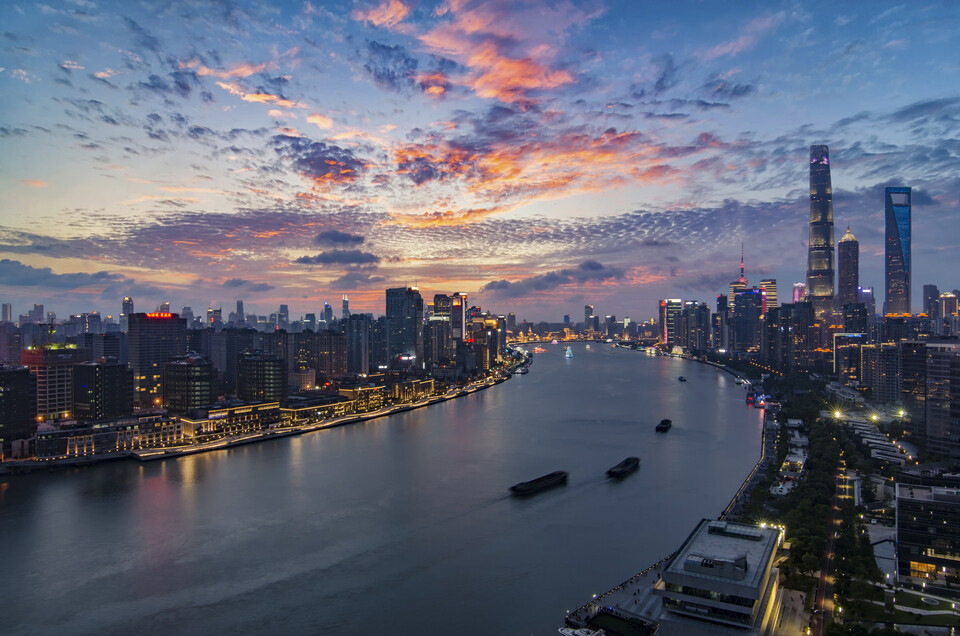
When I stand on the Bund, I see more than just buildings. I see an evolving story. The old buildings represent when Shanghai first connected with the world. The new towers show how Shanghai became a global leader. This dynamic view perfectly summarizes China’s modernization journey. It’s a story told through the city’s changing skyline.
Conclusion
The Bund is Shanghai's storied waterfront, offering a visual journey through the city's past and present. Its historical architecture and views of modern Pudong make it a vital stop for understanding Shanghai's unique identity.