Shanghai Metro in 2025: What should you know before you ride?
Shanghai feels big and busy. The Metro makes it simple. I use it to save time and avoid traffic every day.
The Shanghai Metro is fast, frequent, and clear. It covers most districts, supports English, and offers easy payments. In 2025, a new suburban line links Pudong and Hongqiao airports for quicker transfers.
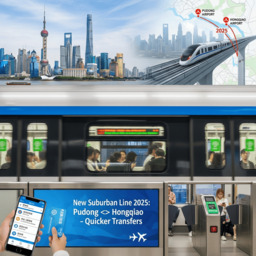
I ride to work, to meet friends, and to catch flights. I tap in with a bank card or a QR code. I plan with the official Metro app and Apple Maps. Stations feel organized, and staff help when I get stuck. The new airport suburban line makes cross-city airport connections less stressful. I no longer worry about a tight transfer after a long flight.
How good is the Shanghai Metro?
Big cities can feel slow. Long commutes drain energy. I wanted a system that saves time without stress.
It is one of the best systems I use. Coverage is wide, trains are frequent, fares are low, and English signs are clear. It works well for locals and visitors.
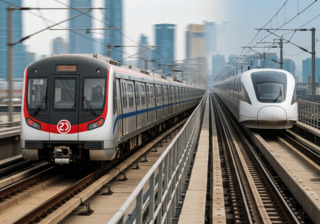
I judge any metro with four simple ideas: coverage, frequency, clarity, and value. Shanghai does well in each. The network reaches central districts and far suburbs, so I rarely need taxis. Trains come fast at rush hours, and they stay steady off-peak. Colors and arrows guide transfers, and English names appear on maps, platforms, and screens. Fares feel friendly even for long routes. Elevators and ramps work in many large stations, which helps with luggage and strollers. I tap in with a bank card, a local transit card, or a QR code, and I tap out without delay. Staff help when things go wrong, like a lost item or a missed last train. Crowds build at major hubs around 8:30 and 17:30, but short intervals keep lines moving. In 2025, the new suburban link between Pudong and Hongqiao improves airport transfers. It cuts time and reduces risky multi-line routes for tired travelers like me.
My simple scorecard
| Factor | My view | Why it matters |
|---|---|---|
| Coverage | Very wide | Fewer taxi rides |
| Frequency | High | Short waits |
| Clarity | English support | Easy navigation |
| Value | Low cost | Budget friendly |
| Cleanliness | Consistent | Comfort and trust |
| Safety | Staff and cameras | Peace of mind |
| Airport link (2025) | Pudong–Hongqiao | Faster transfers |
Tips I use for smooth rides
- Plan with the official Metro app for live times.
- Follow color lines and arrows at transfers.
- Stand aside and let riders exit first.
- Keep a bank card or QR ready to scan.
- Avoid peak transfers if you carry luggage.
Is the Shanghai subway 24 hours?
Late dinners can run long. Early flights push the clock. I needed clear rules for night travel. No, it is not 24 hours. Most lines run about 5:30–6:00 to 22:30–23:30. Times vary by line and station. Check first and last trains in the official app.
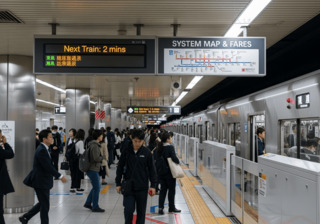
I check both origin and destination times before I leave. Some stations close earlier for maintenance, so I confirm the last train at each end. If my plan is tight after 22:30, I reduce transfers and stay on one line. For dawn flights, I look at first train times and the new suburban airport link. It can cut cross-city time between Pudong and Hongqiao, but I still confirm service hours. If the timing is too tight, I book a taxi or use ride-hailing. Night buses exist, but routes feel slow and sparse. Holidays can shift crowd levels and sometimes adjust timetables, so I leave early. Station staff often suggest faster transfer paths inside large hubs when minutes matter. I keep a backup route saved on my phone to avoid surprises, and I set alerts for last-train windows.
My timing checklist
| Time Window | What I do | Backup |
|---|---|---|
| 21:30–23:30 | Limit transfers | Taxi or ride-hailing |
| 05:30–06:30 | Check first trains | Reserve a ride |
| Weekends | Expect small shifts | Confirm in app |
| Holidays | Leave early | Add buffer time |
Simple planning rules I follow
- Check both origin and destination last train times.
- Avoid risky transfers near closing.
- Sleep near early lines for dawn flights.
- Keep a taxi app ready as Plan B.
- Ask staff for the fastest station path.
What is the fastest metro in the world?
Speed sounds exciting. Real travel time matters more. I care about door-to-door time and smooth transfers.
Most metros have similar top speeds in service. Shanghai runs fast for city trains. The fastest rail near Shanghai is the Maglev at up to 431 km/h, but it is not a metro.
Top speed does not tell the full story. Station spacing, dwell times, and transfer paths shape total time. City metros stop often to reach more places, so average speed stays lower than top speed. Suburban services make fewer stops and feel faster between hubs. In 2025, the new suburban line between Pudong and Hongqiao cuts cross-city airport time and reduces transfer stress. That change beats a high top speed that I cannot use on my route. The Shanghai Maglev reaches up to 431 km/h between Pudong Airport and Longyang Road. It is very fast and fun, but it has a short corridor and fixed schedules. I ride it when it fits my plan, and I ride the Metro when I need coverage and frequency. For most travelers, the best “fast” choice is the mode with the lowest door-to-door time and simple transfers, not the highest number on paper.
Mode comparison
| Mode | Top speed | Average feel | Best use |
|---|---|---|---|
| Metro | ~80–100 km/h | Predictable, frequent | City trips |
| Suburban rail | ~120–160 km/h | Faster between hubs | Long cross-city |
| Maglev | Up to 431 km/h | Thrilling, limited | Pudong Airport link |
How I choose speed vs. time
- Pick Metro for coverage and frequency.
- Use suburban rail for longer airport or business park trips.
- Ride the Maglev when it fits timing and route.
- Count transfers and walking inside stations.
- Aim for the lowest door-to-door time.
Conclusion
Shanghai Metro is fast, clear, and wide. It is not 24 hours. The 2025 airport link makes cross-city transfers easier.