Shanghai’s Yu Garden: What should you notice, and when should you go?
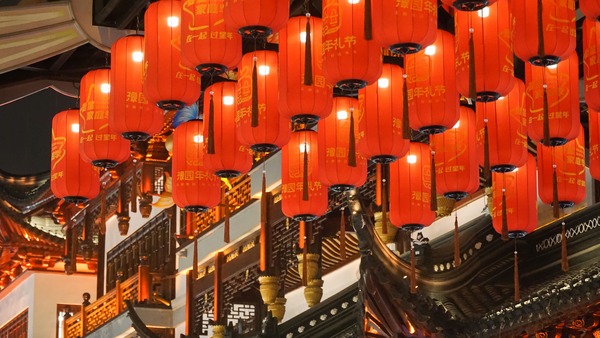
I go to Yu Garden when I want to slow down. I step off the busy streets, and I enter still water, dark wood, and curved roofs. I follow the corridors, and I find framed views through moon gates. I watch koi move under the bridges. I listen to guides explain the symbols. I always look up at ridges and corners. I look for dragons in railings and rooflines. The garden rewards patient eyes.
Why is the Yu Garden famous?
Many gardens feel pretty. Few feel complete. I wanted a place that shows classic Jiangnan style without losing the human touch.
Yu Garden is famous for its Ming-era origins, careful Jiangnan layout, master rockeries, and symbolic details. It blends halls, ponds, bridges, and pavilions into living scenes that change with every turn.
I see Yu Garden as a living lesson in Jiangnan design. The plan uses “borrowed scenery.” This frames far roofs and trees through windows and gates. The main rockery is often linked to the master gardener Zhang Nanyang. It rises above ponds and sets a bold center. The zigzag bridge breaks straight sightlines. It makes me slow my steps. Lattice windows cast patterns on stone floors. Each hall faces water or trees. This balances yin and yang. I look for bats, peaches, and cranes in carvings, because they hint at luck and long life. The most impressive part for me is the dragon shape. The garden’s pavilions and winding walkways form a long, flowing dragon across the whole site. Its spine runs along the roof ridges. It feels alive as I walk it. I have seen this dragon design in many other ancient Chinese buildings. Here, it turns the entire garden into one single creature. It connects all the separate scenes. This idea makes the garden feel truly complete and very famous.
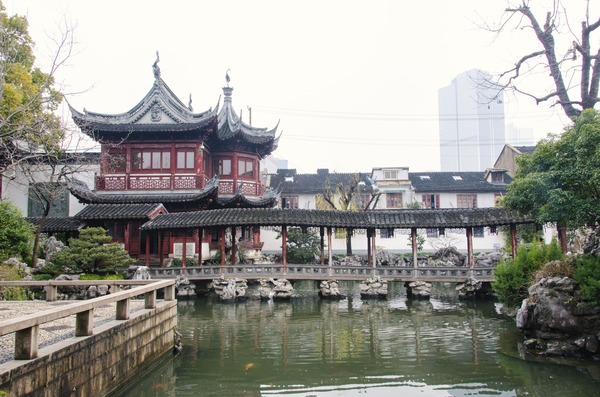
Elements that make Yu Garden special
| Element | What I notice | Why it matters |
|---|---|---|
| Rockery | Tall, layered, with caves | Adds drama and depth |
| Water | Ponds with koi and lilies | Softens stone and wood |
| Bridges | Zigzag paths | Slows steps, changes views |
| Pavilions | Varying rooflines | Creates rhythm and pause |
| Windows | Lattice shadows | Frames “living paintings” |
| Symbols | Bats, peaches, cranes | Mean luck and long life |
| Dragon layout | Roof ridges and corridors | Ties scenes into one story |
How I explore the layers
- I start at the main gate. I move clockwise.
- I pause at each window. I see what it frames.
- I climb the rockery. I read the whole plan.
- I trace the dragon line along the roof ridges.
- I end by the pond. I watch light on the water.
Is Yu Garden free to enter?
The lanes around the garden feel open. The inner garden has a gate and rules. I wanted clear facts before I went.
No. Yu Garden charges an entry fee. Prices shift by season and special shows. The bazaar outside is free, but the classic garden inside requires a ticket.
I always separate the free outer area from the paid inner garden. The outer area is the Yu Garden Bazaar. It has shops, snacks, and views of old-style roofs. I walk there for photos and food with no fee. The inner site is the historic classical garden. It needs a ticket. I buy tickets at the official window. Or I use the official app or a WeChat mini-program when it is very busy. Prices can change during peak seasons. They also change when special lantern or flower shows run. Please keep small cash or a bank card ready as a backup, just in case. I always check the day’s last entry time. The staff close the gates before the official closing hour. I save at least 60 to 90 minutes to explore inside. That lets me move slowly. I stop in quiet corners behind the main halls. I listen to the birds and the water there. I do not rush on the rockery stairs because they feel steep and can get smooth after rain.
Entry and planning checklist
| Step | What I do | Tip |
|---|---|---|
| Tickets | Buy on-site or official app | Check peak dates |
| ID | Carry passport for e-ticket | Needed for pickup |
| Time | 60–90 minutes inside | Add photo breaks |
| Shoes | Wear grip soles | Rockery gets slick |
| Cash/Card | Prepare backup | Avoid queues |
What is free versus paid
- Free: Yu Garden Bazaar streets, shops, snack stalls, and outside photo spots.
- Paid: The classical garden with its halls, ponds, rockery, and curated paths.
- Special events: Lantern shows or seasonal displays may have separate fees or time slots.
What is the best time to visit Yu Garden?
Beauty changes with the light. Crowds change with the hour. I learned to time my visits for calm and color.
I go on weekday mornings, right after opening, in spring or autumn. I avoid major holidays. Late afternoons on weekdays also offer soft light and fewer crowds.
I find the garden is most peaceful right after it opens around 9:00 AM. That usually gives me about an hour of quiet time. This lets me enjoy the calm before big tour groups arrive. The morning light feels soft on the dark wood roofs. It also makes the water in the ponds shine. Mid-day brings tour groups with guides and flags, so it gets loud and crowded. I always avoid weekends and all public holidays if I can. Those days mean very big crowds. The crowds make slow walking and taking photos very hard. Spring, from March to May, has fresh greens and blooming flowers. Autumn, from September to November, brings cool air and beautiful golden leaves. Summer is often too hot and humid. Winter can be cold, but fewer people visit. I also like visiting late in the afternoon. The sun drops lower. It makes long, dramatic shadows. Most of the tour groups leave by then. I often schedule my visit for around 4:00 PM on a Tuesday. This gives me a calm experience so I can notice all the details.
My best times for calm visits
| Time of year | What I notice | Why it works |
|---|---|---|
| Spring (Mar–May) | Lush green, gentle weather | Comfortable, vibrant nature |
| Autumn (Sep–Nov) | Cool breeze, colorful leaves | Pleasant, beautiful scenery |
| Early morning | Few people, soft light | Peaceful, good for photos |
| Late afternoon | Calmer, long shadows | Fewer crowds, nice light |
What times to avoid, and why
- Weekends: Very crowded, hard to walk.
- Public holidays: Extremely crowded, long waits.
- Summer (July–Aug): Very hot and humid.
- Chinese New Year: Festive but packed.
- Golden Week: All major sites are full.
Conclusion
Yu Garden uses classic design and has a famous dragon shape. It charges an entry fee. Weekday mornings in spring or autumn are the best times to visit.